







In the world of high-performance skincare, timing isn't just an advantage—it's a biological mandate. If you’ve ever wondered why your skin looks radiant after a restorative sleep but sallow after a late night, the answer lies in your circadian rhythm.
Every cell in your body, including your skin cells, operates on a 24-hour internal clock. This biological timer dictates when your skin should be in "defensive mode" and when it should pivot to "repair mode." By synchronizing skin repair with these natural cycles, you can amplify the results of your products by up to 40%. This is the science of chronocosmetics, and it is the key to true skin longevity.
Understanding Circadian Skincare: Your Skin’s 24-Hour Biological Clock
Your skin is a highly sophisticated barrier that anticipates environmental changes. It knows when the sun is up and when it is time to rest.
The Science of Chronocosmetics: How Wavelengths and Timing Affect Repair
Chronocosmetics is the study of how skincare active ingredients interact with the skin's biological rhythms. Research published in the Journal of Investigative Dermatology has shown that skin cells have their own "clock genes" (such as CLOCK and BMAL1) that regulate everything from mitochondrial activity to DNA repair enzymes.
Why Daytime Defense and Nighttime Regeneration Require Different Actives
During the day, your skin is focused on environmental defense. It thickens its barrier and increases sebum production to protect against UV radiation and pollution. At night, the script flips. Cytokine production increases, and the skin focuses on epidermal proliferation (creating new cells). Using a nighttime repair cream during the day, or vice-versa, confuses these signals and blunts the efficacy of your routine.

The Daytime Protocol: Defense Against Environmental Aggressors
When the sun rises, your skin’s primary goal is survival.
Strengthening the Skin Barrier to Prevent Trans-Epidermal Water Loss (TEWL)
Trans-epidermal water loss (TEWL) is highest in the morning. To combat this, you need a formula that reinforces skin barrier function. The Renewal Day Cream is specifically designed for this window. It uses Shea Butter and antioxidants to create a breathable shield, keeping moisture in and pollutants out.
Neutralizing Oxidative Stress with Daytime Environmental Defense
Daytime is when oxidative stress—caused by "reactive oxygen species" (ROS) from the sun—is at its peak. Your morning routine should be rich in antioxidants that neutralize these free radicals before they can damage your DNA.

The Nighttime Windows of Repair: Maximizing Cellular Regeneration
As darkness falls, your skin enters its most productive phase.
Why Skin Permeability Peaks While You Sleep
At night, your skin's temperature rises slightly, and its pH levels fluctuate. This makes your skin permeability much higher than it is during the day. While this means moisture escapes more easily (requiring a rich occlusive), it also means your skin is more receptive to DNA repair enzymes and peptides.
The Role of Melatonin and DNA Repair Enzymes in Skin Longevity
Melatonin isn't just for sleep; it is one of the most powerful antioxidants your body produces. It works in tandem with the Repair Night Cream to trigger keratinocyte migration, which is the process of moving new, healthy skin cells to the surface.
Synchronizing Your Ritual: Step-by-Step Circadian Alignment
| Time Period | Primary Skin Function | Recommended Action |
| 6 AM – 10 AM | Barrier defense & high TEWL | Hydrate and protect with Renewal Day Cream. |
| 10 AM – 4 PM | Sebum production peaks | Maintain moisture balance. |
| 4 PM – 9 PM | Permeability begins to rise | Cleanse away daytime pollutants. |
| 9 PM – 2 AM | Cellular regeneration peaks | Apply Repair Night Cream & use LED. |
Leveraging Technology to Reset Your Skin's Internal Clock
Sometimes, lifestyle factors like blue light from screens or travel disrupt our internal clock. This is where photobiomodulation comes in.
How LED Light Therapy Regulates Circadian Skin Aging
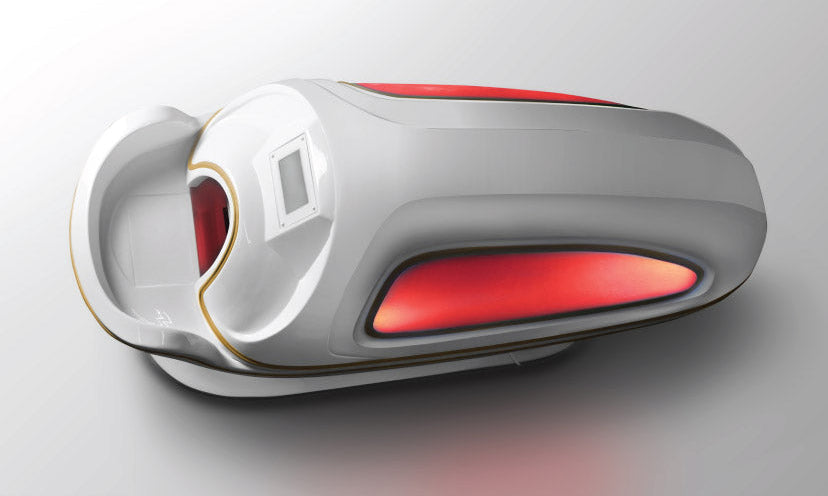
The Glamorous (Red) device uses clinical-grade wavelengths to signal to your cells that it is time for repair. By using red light (660nm) in the evening, you are essentially "resetting" the mitochondrial activity in your skin, ensuring that even if you're tired, your skin cells aren't.
Using Infrared Wavelengths to Stimulate Nightly Collagen Synthesis
Near-Infrared (NIR) light penetrates deeper than visible light. When used at night, NIR supports aquaporin-3 expression, which helps move water through the skin layers, keeping the dermis plump and hydrated throughout the cellular repair window.
Frequently Asked Questions: Biological Clock and Skin Health
What time does skin repair itself most effectively at night?
Clinical data suggests the "Golden Hours" of skin repair are between 9:00 PM and 2:00 AM. This is when epidermal proliferation (cell division) is at its highest—nearly 30 times faster than at midday.
Can I use the same moisturizer for both day and night?
You can, but it won't be as effective. Daytime creams focus on barrier support and environmental defense, whereas nighttime creams are engineered for nighttime skin regeneration and deep hydration to prevent overnight TEWL.
Does blue light from screens disrupt my skin’s internal clock?
Yes. Studies have shown that blue light from phones and computers can trick skin cells into thinking it is daytime, delaying the start of the nighttime repair phase. Using the Glamorous Azul (Blue) during the day helps regulate bacteria, but you should minimize screen blue light at night.
Master Your Repair Window: Achieve a Synchronized Glow
Skincare is no longer about just applying products; it’s about understanding the rhythm of your own biology. By choosing a restorative night ritual and a defensive daytime shield, you work with your body, not against it.
Ready to sync your skin? Shop the Glamour-NYC Circadian Collection and experience the power of biological timing.

