







We have all had those mornings. You look in the mirror and see a version of yourself that looks five, or even ten, years older than you felt when you went to bed. The lines look deeper, the skin looks sallow, and the "lift" seems to have left the building. But before you book a consultation for a surgical intervention, it is vital to ask a crucial question: Is my skin actually aging, or is it just exhausted?
In the world of skin longevity, distinguishing between chronological aging and "skin fatigue" is the difference between an effective recovery and a wasted investment. Fatigue mimics aging by causing mitochondrial dysfunction, leading to a temporary shutdown of your skin’s repair mechanisms.
This guide will walk you through the biological differences between the two and provide a definitive 3-point skin longevity check to assess your skin’s true biological age.

Skin Aging vs. Fatigue: Why Your Complexion is Sending Mixed Signals
Your skin is a dynamic organ that reacts in real-time to internal and external stressors. Sometimes, it "shuts down" to conserve energy, creating a mask of exhaustion that looks remarkably like aging.
The Biological Difference Between Premature Aging and Skin Exhaustion
Premature aging (or photoaging) is a structural change. It involves the permanent degradation of collagen and elastin fibers, often caused by UV exposure or glycation.
Skin exhaustion, on the other hand, is a metabolic state. It is characterized by high levels of oxidative stress and a temporary spike in trans-epidermal water loss (TEWL). When you are tired, your microcirculation slows down, meaning your skin isn't receiving the oxygen it needs to maintain its "glow."
How Stress and Lack of Sleep Mimic Aging Symptoms
Lack of sleep triggers cortisol, which breaks down collagen in the short term and causes systemic inflammation. This inflammation leads to "dehydration lines," which are often mistaken for permanent fine lines. While wrinkles are deep-seated structural changes, fatigue-induced lines are surface-level and reversible—if you act quickly.
The 3-Point Skin Longevity Test: A Step-by-Step Self-Assessment
Perform this test in the morning, on clean skin, before applying any products.
Point 1: The Elasticity Snap-Back Test for Dermal Thickness
This is the ultimate test for skin barrier integrity and elastin health.
- The Test: Gently pinch the skin on your cheek or the back of your hand and hold for five seconds. Release and count how long it takes to "snap back" to its original flat state.
- The Results: * Instant (<1 second): Excellent elasticity; your biological age is likely lower than your chronological age.
- Delayed (2–5 seconds): Your skin is likely just tired and dehydrated.
- Persistent (>5 seconds): This indicates a loss of dermal thickness, a sign of structural aging.
Point 2: The Radiance Recovery Check for Mitochondrial Function
This test measures microcirculation and the efficiency of your skin's energy production.
- The Test: Press your index finger firmly into your cheek for three seconds, then release.
- The Results: If the pinkness returns instantly, your mitochondrial function is high. If the white fingerprint lingers, your skin is "suffering from fatigue" and needs a circulation boost.
Point 3: Texture and Hydration Mapping for Barrier Integrity
Run the back of your hand upward along your jawline and cheeks.
- Tired Skin: Feels "papery" or rough, indicating a temporary disruption in your lipid profile.
- Aging Skin: Feels thin or "crepey," regardless of how much moisturizer you apply, indicating a deeper loss of underlying structure.

Analyzing Your Results: Is It Dehydration Lines or Permanent Wrinkles?
| Feature | Tired Skin (Fatigue) | Aging Skin (Structural) |
| Pores | Enlarged due to lack of tone | Generally consistent |
| Lines | Disappear after heavy hydration | Remain visible regardless of moisture |
| Color | Sallow, gray, or uneven | Age spots or permanent redness |
| Recovery | Responds to 1-2 nights of sleep | Requires long-term clinical intervention |
Understanding Your Skin’s Biological Age vs. Chronological Age
Your biological age is a reflection of how your cells are functioning. You can be 50 with the biological skin age of a 35-year-old if your collagen density is high and your oxidative stress is low. Conversely, a 25-year-old with a high-stress lifestyle can show signs of cellular senescence (premature aging).
Restorative Protocols: Reversing the "Tired" Look Instantly
If your test results suggest your skin is "just tired," you can reverse the symptoms in minutes using high-performance topicals.
Rapid Rejuvenation: The Power of Targeted Neuropeptides
To erase fatigue-induced lines, look for targeted wrinkle fillers. The Anti-Wrinkle Lift Syringe uses neuropeptides to temporarily relax micro-contractions, smoothing the surface and giving the skin an immediate "rested" look.
Boosting Microcirculation with Professional Lymphatic Drainage
If your skin failed the Radiance Check, use a gentle tapping massage during your morning routine. This flushes out the toxins and excess fluid that cause eye puffiness, bringing fresh, oxygenated blood to the surface.
Long-Term Longevity: Strategies for Lasting Skin Resilience
If your test indicated structural aging, you need to rebuild your skin from the cellular level.
Why Red Light Therapy is the Ultimate Mitochondrial Recharge
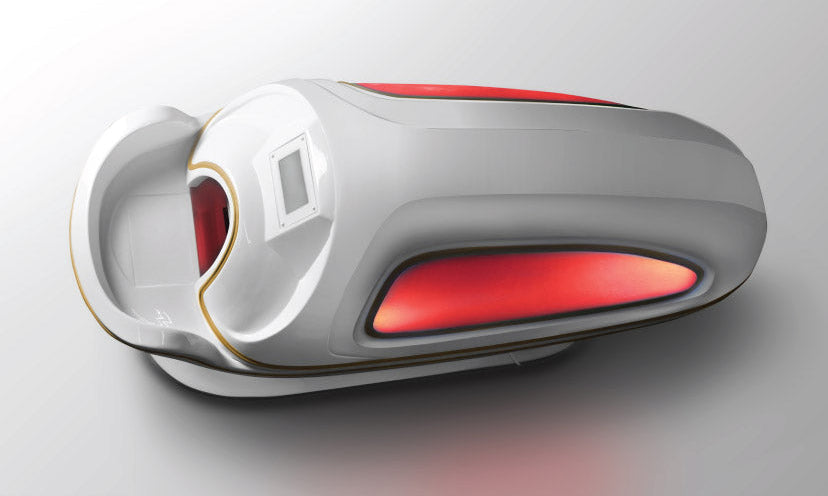
The most effective way to improve skin longevity is to provide your cells with more energy. Red light therapy (660nm) penetrates the dermis to stimulate the mitochondria. Using a device like the Glamorous (Red) ensures your cells have the ATP (energy) needed to synthesize new collagen and repair the dermal matrix.
Clinical-Grade Topicals: Rebuilding Collagen Density Overnight
Pair your device with a Repair Night Cream rich in ceramides and peptides. While the light therapy triggers the "repair signal," the cream provides the raw materials needed to rebuild a resilient skin barrier.
Frequently Asked Questions: Skin Longevity and Fatigue
Can tired skin be permanently reversed with LED therapy?
Yes. By consistently boosting mitochondrial function with red light, you can prevent "tired" skin from settling into permanent structural damage.
How long does it take for skin to recover from a period of high stress?
With a proper restorative skincare routine, surface fatigue can be reversed in 48 to 72 hours. Structural recovery from chronic stress takes 28 to 40 days (one full skin cell turnover cycle).
Does lack of sleep cause permanent fine lines?
Indirectly, yes. Short-term lack of sleep causes dehydration lines. However, chronic sleep deprivation leads to sustained high cortisol, which permanently degrades collagen and elastin.
Take the Next Step Toward Cellular Skin Health
Identifying where your skin stands is the first step toward a more youthful future. Whether you need an instant "pick-me-up" or a long-term structural rebuild, the right technology makes all the difference.
Is your skin ready for a recharge? Shop the Glamour-NYC Longevity Collection and discover the power of clinical-grade skin recovery.

