


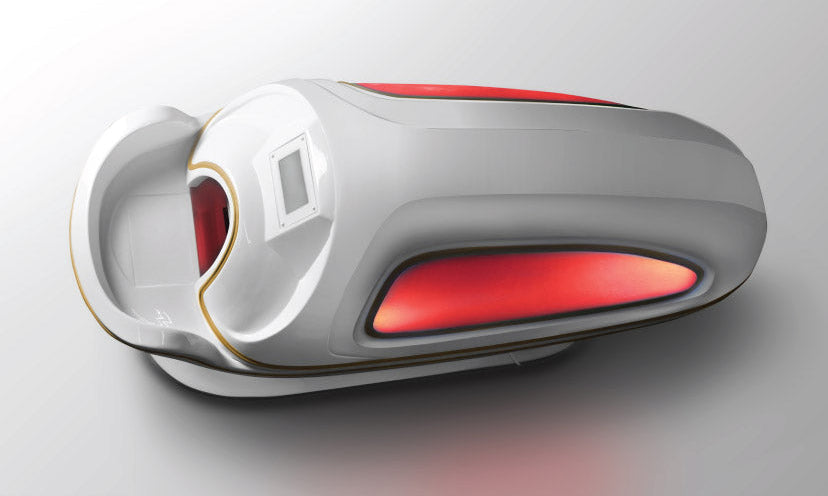





When the temperature drops, your skin is often the first to sound the alarm. The combination of biting outdoor winds and parched indoor heating creates a "perfect storm" for your complexion. If you’ve noticed your face feeling tight, looking sallow, or reacting with unusual sensitivity, you’re experiencing the classic symptoms of a compromised winter skin barrier.
While heavy creams and ointments are the traditional go-to, they often only treat the surface. To truly achieve winter skin recovery, you need to address the cellular slowdown that occurs during the colder months. Enter LED light therapy—a non-invasive, NASA-inspired technology that is rapidly becoming the essential "fourth step" in winter skincare rituals.

The Winter Skin Crisis: Understanding Seasonal Dryness and Dullness
Winter isn't just "dry weather"; it is a period of biological stress for your skin cells.
Beyond Humidity: How Cold Weather Stalls Cellular Skin Repair
In cold environments, blood vessels constrict to keep your core warm (vasoconstriction). While efficient for survival, this reduces the delivery of oxygen and nutrients to your skin. Consequently, cellular turnover slows down, leading to a buildup of dead skin cells that result in that dreaded "winter dullness."
The Science of Trans-Epidermal Water Loss (TEWL) in Winter
Low humidity levels accelerate Trans-Epidermal Water Loss (TEWL). This is the process where moisture evaporates from your dermis into the dry air. When your barrier is weak, TEWL spikes, leading to micro-cracks, inflammation, and even "winter acne." Clinical research on circadian rhythms and skin permeability shows that this water loss peaks at night, making your evening recovery protocol more critical than ever.
How LED Light Therapy Transforms Winter Skin Recovery
Unlike topical products, light therapy uses specific wavelengths to penetrate the skin's layers, triggering a process known as photobiomodulation.
Mitochondrial ATP Production: Waking Up Dormant Skin Cells
Think of your skin cells like batteries. In winter, they run low. Red and near-infrared light are absorbed by the mitochondria (the cell's powerhouse), specifically by the enzyme cytochrome c oxidase. This absorption boosts ATP (adenosine triphosphate) production, giving your cells the energy they need to repair winter damage and defend against environmental stressors.
Red Light Therapy for Skin Hydration and Fibroblast Stimulation
Red light therapy (630–700nm) targets the dermis to stimulate fibroblasts, the cells responsible for producing collagen and elastin. By strengthening the structural integrity of the skin, red light helps the skin naturally retain more moisture, effectively "plumping" the skin from the inside out.
Near-Infrared Wavelengths: Repairing the Skin Barrier from Within
Near-infrared (NIR) light (700–1000nm) penetrates even deeper—up to 25mm into the tissue. This deep reach is vital for reducing the systemic inflammation caused by windburn and extreme cold. NIR helps reinforce the skin barrier, making it more resilient against the cycle of freezing and thawing we face daily.

Targeting Specific Seasonal Concerns with Multi-Wave Technology
| LED Color | Wavelength | Primary Winter Benefit |
| Red | 630–660nm | Boosts collagen, reduces fine lines, & aids hydration. |
| Near-Infrared | 830–850nm | Reduces deep inflammation & speeds up barrier repair. |
| Yellow/Amber | 590nm | Improves microcirculation & soothes winter redness. |
| Blue | 415nm | Kills bacteria to treat "winter acne" caused by heavy creams. |
Yellow LED Light for Skin Brightening and Reducing Winter Redness
If you suffer from rosacea or general blotchiness when coming in from the cold, Yellow LED light is your ally. It improves microcirculation and lymphatic flow, helping to flush out toxins and reduce the sallow, "gray" look of winter skin.
Combating "Maskne" and Seasonal Breakouts with Blue Light Therapy
Interestingly, winter can lead to breakouts. As we layer heavy, occlusive balms to fight dryness, pores can become clogged. Blue light therapy neutralizes P. acnes bacteria without the drying effects of traditional benzoyl peroxide, making it perfect for sensitive, dry skin.
Your Winter Skincare Light Therapy Protocol
To get the most out of your device, follow this recovery protocol designed for maximum skin permeability at night.
Cleanse: Use a gentle, non-foaming cleanser to remove pollutants without stripping oils.
Light Session: Use your LED device (like the Glamorous) for 10–20 minutes. Ensure skin is clean and dry for maximum photon absorption.
Hydrate: Immediately follow with a serum containing Hyaluronic Acid or Niacinamide. The light therapy has "primed" your cells to utilize these ingredients more effectively.
Seal: Apply a lipid-rich moisturizer to lock in the hydration and prevent TEWL.
Pro Tip: Consistency is key. Aim for 3–5 sessions per week. Most users report a visible "glow" within 2 weeks and significant barrier improvement after 4–6 weeks of consistent use.
Light Therapy vs. Traditional Moisturizers: A Comparative Approach
While we often think of these as "either/or" solutions, they are actually synergistic.
- Moisturizers: Act as a temporary physical barrier to stop water from leaving.
- Light Therapy: Acts as a biological catalyst to improve the skin's internal ability to hold water.
By using light therapy, you are essentially "upgrading" your skin's hardware, while your moisturizers serve as the necessary software to keep things running smoothly.
Frequently Asked Questions about Winter Light Therapy
Can light therapy dry out my skin further in the winter?
No. Unlike UV light from the sun or tanning beds, LED light therapy is non-thermal and does not contain skin-damaging UV rays. It actually supports hydration by improving cellular function.
Is near-infrared light safe for sensitive, wind-burned skin?
Yes. NIR is highly anti-inflammatory. It is often used in clinical settings to accelerate wound healing, making it ideal for soothing cracked or wind-burned skin.
How long does it take to see results from winter skin recovery sessions?
While you may feel a "soothing warmth" immediately, visible improvements in skin tone and hydration typically appear after 2–4 weeks of regular use.
Revitalize Your Radiance: Embracing the Future of Winter Skincare
Winter doesn't have to mean three months of dullness and discomfort. By integrating LED light therapy into your routine, you are giving your skin the energy it needs to thrive in harsh conditions.
Ready to winter-proof your skin? Explore our Professional LED Device Collection and discover why thousands are switching to light-powered beauty.

